Table of Contents
Standard therapy is thought about a clinical treatment typically covered by many insurance policy companies, depending on the professional. Private states strictly control the called for training for specialist providers. An exercising therapist career needs a minimum of a master's degree, followed by demonstrated expertise in the material by taking a nationwide examination and completing a considerable teaching fellowship program.
Renewal of one's license to exercise as a specialist requires a minimal amount of education and learning credit ratings. The strenuous training and standard oversight needed for therapists make this sort of psychological wellness specialist an accredited mental wellness resource. "The training that therapists get is something that can offer reassurances to insurance provider that what they pay for can result in purposeful help for the customer they are guaranteeing," Lozano claims.
While medical insurance business do not cover coaching, becoming a qualified life train also requires correct training and accreditation. It usually receives a poor online reputation due to the fact that of the several uncertified, self-proclaimed life instructors out theresomething especially very easy to fall victim to on social media platforms. The International Training Federation is the only criterion of coaching to date.
Humanistic approaches highlight the capability of clients themselves to be efficient in change with support and advice from their therapist. Cognitive techniques resolve the proposed reasoning patterns that result in tough feelings and inner battles," includes Lozano. But despite this myriad of offered treatment alternatives around, therapy won't be the most effective approach for some individuals.
Somatic Experiencing for Perinatal Trauma Through Birth Trauma Therapy
This is where a life instructor can help. Training uses momentum to advance in life in a preferred instructions. Clients drive themselves right into the following stage of their lives through vital thinking and interested wondering about. "Mentoring has a lot even more of a strength-based technique," explains licensed train Jamie Blume. "We're right here now.
"I wished to bring much more love and work far better with my companion; I wished to be a much better parent," Cleo explains. "So I had this step-by-step program that moved me toward my future self and said: OK, this is what I want my life to appear like. This is that I intend to be.
In several methods, coaching helps you create a handbook or develop a map with actionable steps towards a far better future on your own. "You 'd want to seek two points," Beauchamp describes. "One, the location where you might have the most difficulties. And two, the location where you really have strong desires.
If you've ever questioned what the difference is between life coaching and counseling, you're not alone. As somebody who is both a qualified professional counselor (LPC) and a life train, I obtain this inquiry oftenand I like answering it. Because comprehending the difference can help you make one of the most aligned option for your personal growth.
Sensory Practices for Parental Stress with Birth Trauma Therapy
Both create space for healing, improvement, and clearness. They aren't the exact same. Each serves a different function, and what you need might alter relying on where you remain in your trip. Let's unload it together. Prior to we go into what sets them apart, here's where life training and counseling are similar: Whether you're collaborating with a therapist or a trainer, the heart of the job is a strong, trusting partnership.
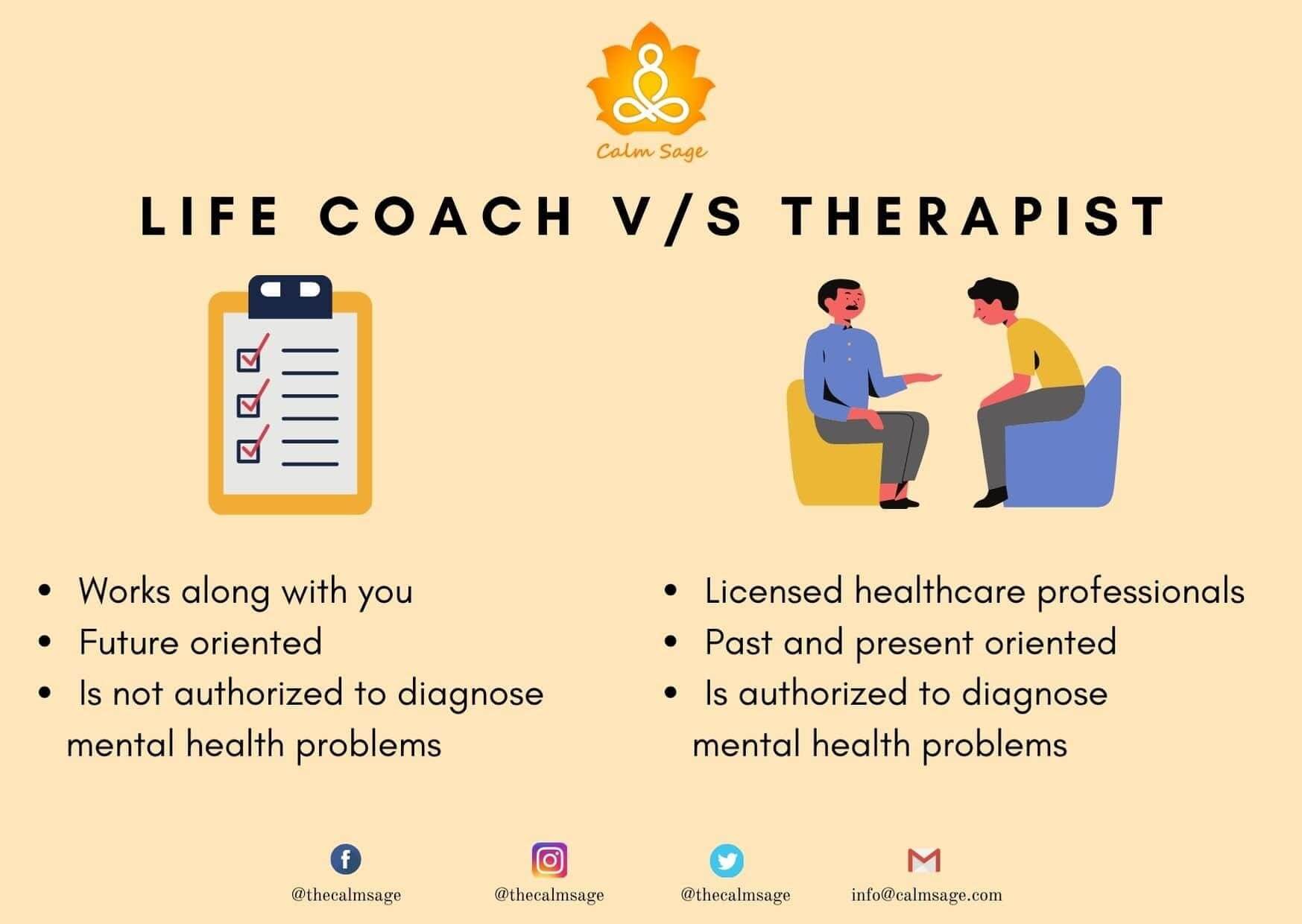
Whether you're processing emotions or making big choices, these are areas made to aid you progress with intent. Below's where things begin to differsubtly, however meaningfully.- Therapy frequently focuses around healing from the past. Therapists aid you refine trauma, check out childhood experiences, and resolve unsolved discomfort.- Coaching is much more present and future-focused.
Self-disclosure and recommendations are limited.- In mentoring, I have more flexibility to be human with you. I can share my personal experiences, offer straight responses, and appear with real-time encouragement. It's a much more joint, conversational approachand personally, I enjoy that.- Therapy is commonly directed by a treatment plan and might follow evidence-based protocols.- Training is much more fluid.
Pregnancy Loss as Trigger for Perinatal Mood Disorders in Napa, CA
It satisfies you where you are and sustains your daily life.- Therapy is a licensed, controlled profession and commonly covered by insurance policy.- Mentoring is not. While instructors might have training and qualifications (and in my situation, a scientific background), it's not a certified mental health and wellness solution. This offers us even more flexibility in just how we collaborate.

I reach state, "Here's what assisted me," or "I've strolled with this, too," without really feeling like I'm tipping outside of a clinical duty. It enables me to reveal up as an actual personnot simply a professionaland to meet my clients with both proficiency and compassion. Mentoring allows me connect with females in a deeper, extra human means.
Why Specialized Therapy Facilitates Processing Difficult Birth Experiences
It's secure, encouraging, and rooted in the real world. I do not simply help you discuss changeI assistance you make it. Curious concerning dealing with me? I supply complimentary discovery calls so we can check out whether coaching seems like the right fit. No pressurejust a discussion between 2 human beings figuring it out with each other.
While there is a terrific bargain of overlap between each of these areas, they are distinctly different in a few major methods.
Selecting the Right Counselor for Your Situation
Right here are 5 distinctions in between coaching and psychotherapy to help you decide who could be ideal suited to aid you along your trip. One of the most crucial differentiating elements between therapists and instructors is that psychotherapists are trained to help people that are facing mental disorders, and instructors are not.

Navigation
Latest Posts
Blending Multiple Therapeutic Modalities for Optimal Results
Understanding Multi-Layered Trauma Via Therapy for Children for Mental Health
The Interplay Between Perfectionism and Mental Health